

 See My Latest Article on HelloNation

What is the difference between regular cleaning and deep cleaning?
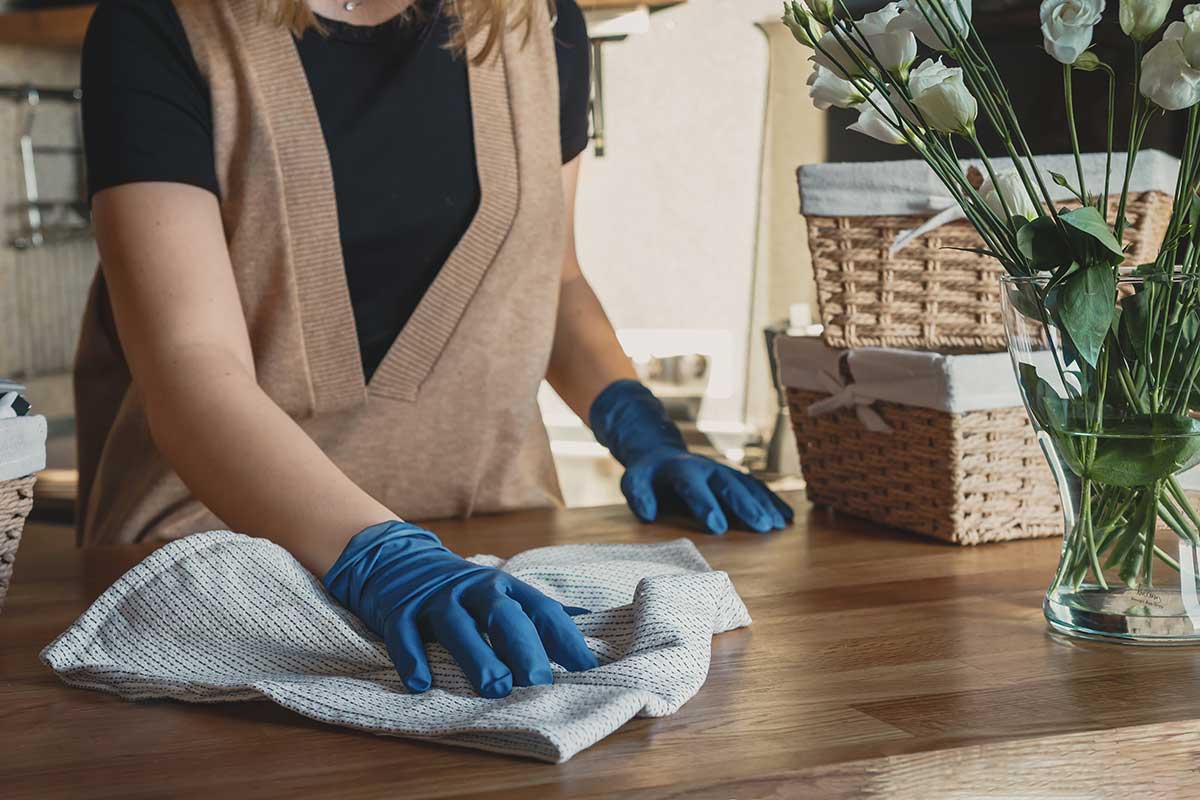
Regular cleaning maintains a home’s visible cleanliness and helps control everyday dust, dirt, crumbs, odors, and germs. Deep cleaning is more detailed and reaches areas that are often skipped during routine chores.
Regular cleaning usually includes tasks such as:
- Sweeping, vacuuming, and mopping floors
- Wiping kitchen counters and bathroom surfaces
- Cleaning sinks, toilets, and mirrors
- Dusting accessible furniture and shelves
- Emptying trash
- Changing bedding and towels
- Removing visible spills and food residue
Deep cleaning may include all of those tasks, but it adds work such as scrubbing grout, washing baseboards, cleaning behind appliances, removing buildup from fixtures, and reaching higher or less accessible surfaces.
The simplest distinction is frequency and detail. Regular cleaning prevents normal household messes from accumulating. Deep cleaning addresses neglected buildup, hidden dust, and areas that require extra time or effort.
How often should a Crown Point, IN home be deep cleaned?
Many homes benefit from regular cleaning every week or two, while deep cleaning may be needed several times a year. The right schedule depends on the household rather than a fixed rule.
Deep cleaning may be useful:
- At the start of spring or fall
- Before or after hosting guests
- After illness in the household
- After home repairs, painting, or remodeling
- When moving into or out of a home
- After a period of heavy clutter or neglect
- When seasonal dust, mud, or moisture has accumulated
In Crown Point, changing seasons can affect indoor cleaning needs. Winter can bring tracked-in salt, slush, and grit. Spring may increase mud and moisture near entrances, while summer humidity can contribute to musty odors and faster buildup in bathrooms, basements, and laundry areas.
A home with pets, young children, allergy concerns, frequent visitors, or indoor hobbies may need more frequent maintenance. A lightly occupied home may need less frequent deep cleaning but still benefits from routine dust and moisture control.
What tasks belong in a deep cleaning checklist?
A deep cleaning checklist should cover surfaces that are touched often, areas where dust settles, and places where grease, soap, or moisture accumulate.
Kitchen
Deep kitchen cleaning may involve:
- Washing cabinet fronts and handles
- Cleaning the tops and sides of appliances
- Degreasing the range hood and backsplash
- Scrubbing the inside of the oven and microwave
- Cleaning under removable burners or trays
- Wiping baseboards and corners
- Emptying and wiping the refrigerator
- Washing the floor beneath movable appliances when accessible
Regular wiping may make a kitchen look clean while leaving behind a thin layer of grease. Over time, that residue attracts dust and becomes harder to remove.
Bathrooms
Bathrooms often need detailed cleaning because soap residue, hard-water deposits, and moisture collect quickly. Deep cleaning can include:
- Scrubbing tile and grout
- Removing mineral deposits from faucets and shower doors
- Washing the area behind and beneath the toilet
- Cleaning exhaust fan covers
- Wiping cabinet interiors
- Washing shower curtains or liners according to their care instructions
- Cleaning corners, caulk lines, and floor edges
Persistent discoloration or mold-like growth is not always a simple cleaning issue. Moisture sources should be corrected, and heavily affected porous materials may require specialized evaluation or replacement.
Living areas and bedrooms
These spaces may require:
- Vacuuming upholstery and under furniture
- Dusting ceiling fans, vents, light fixtures, and door frames
- Wiping baseboards and trim
- Cleaning window sills and tracks
- Vacuuming mattress surfaces
- Washing curtains or blinds when appropriate
- Removing cobwebs from ceilings and corners
Moving furniture carefully can reveal dust, pet hair, and small objects that routine vacuuming cannot reach.
Does regular cleaning replace deep cleaning?
No. Regular cleaning reduces the amount of buildup, but it does not eliminate the need for occasional detailed work.
For example, vacuuming a floor several times a week helps control loose dirt. It does not necessarily clean the edges beneath furniture, wash baseboards, or remove residue from grout. Wiping a bathroom sink daily helps prevent soap and toothpaste buildup, but it does not replace cleaning the exhaust fan cover, shower door tracks, or cabinet interiors.
Deep cleaning is also easier when regular cleaning is consistent. A well-maintained home generally requires less intensive scrubbing because dirt has not had as much time to bond to surfaces.
Which cleaning method is better for allergies and indoor air quality?
Both types of cleaning can help, but technique matters as much as frequency. Regular dust removal helps prevent particles from accumulating, while deep cleaning reaches fabrics, vents, corners, and surfaces that may hold dust for long periods.
Helpful practices include:
- Use a vacuum that limits dust being released back into the room
- Dust with a slightly damp microfiber cloth instead of spreading dry dust
- Wash bedding regularly using the hottest water suitable for the fabric
- Keep moisture under control in bathrooms, basements, and laundry areas
- Clean or replace heating and cooling filters according to the equipment instructions
- Ventilate bathrooms during and after showers
- Avoid mixing cleaning chemicals
People with asthma or strong sensitivities may react to dust, fragrances, mold particles, or cleaning-product vapors. Cleaning should be done with adequate ventilation, and labels should be followed carefully. Bleach must never be mixed with ammonia or other incompatible products.
What should not be treated as ordinary cleaning?
Some conditions require more than household scrubbing. Widespread mold, sewage contamination, flooding, rodent droppings, lead-based paint dust, asbestos-containing materials, and strong chemical odors can present health or safety concerns.
A small amount of surface mildew caused by condensation may sometimes be addressed by cleaning the surface and correcting the moisture problem. Repeated growth, water damage, damp building materials, or a musty odor that persists after cleaning suggests that the underlying source has not been resolved.
Cleaning after a flood or sewage backup also requires caution. Porous materials may be unsafe to salvage, and contaminated water can carry microorganisms that ordinary household methods do not reliably control.
How can residents decide which type of cleaning they need?
Use the condition of the home rather than the calendar alone.
Regular cleaning is usually appropriate when dirt is mostly loose and visible, surfaces are being maintained, and no major buildup has formed. Deep cleaning is more suitable when dust is present in neglected areas, grease or soap has hardened, odors persist, or rooms have not been thoroughly cleaned for several months.
A practical approach is to divide the home into manageable sections. Maintain high-use areas frequently, then rotate less frequent tasks such as washing baseboards, cleaning windowsills, vacuuming under furniture, and wiping cabinet interiors.
This prevents deep cleaning from becoming an overwhelming, whole-house project. It also helps area households adapt their routines to seasonal mud, winter residue, humidity, pets, and changing household schedules.
Can a home be clean but still need deep cleaning?
Yes. A home can look tidy and sanitary while still having dust on ceiling fans, residue beneath appliances, buildup in grout, or soil along baseboards. Appearance alone does not show every area that needs attention.
Regular cleaning provides daily or weekly control. Deep cleaning provides periodic detail. Used together, they help protect surfaces, reduce unpleasant buildup, and make routine maintenance easier throughout the year.