

 See My Latest Article on HelloNation
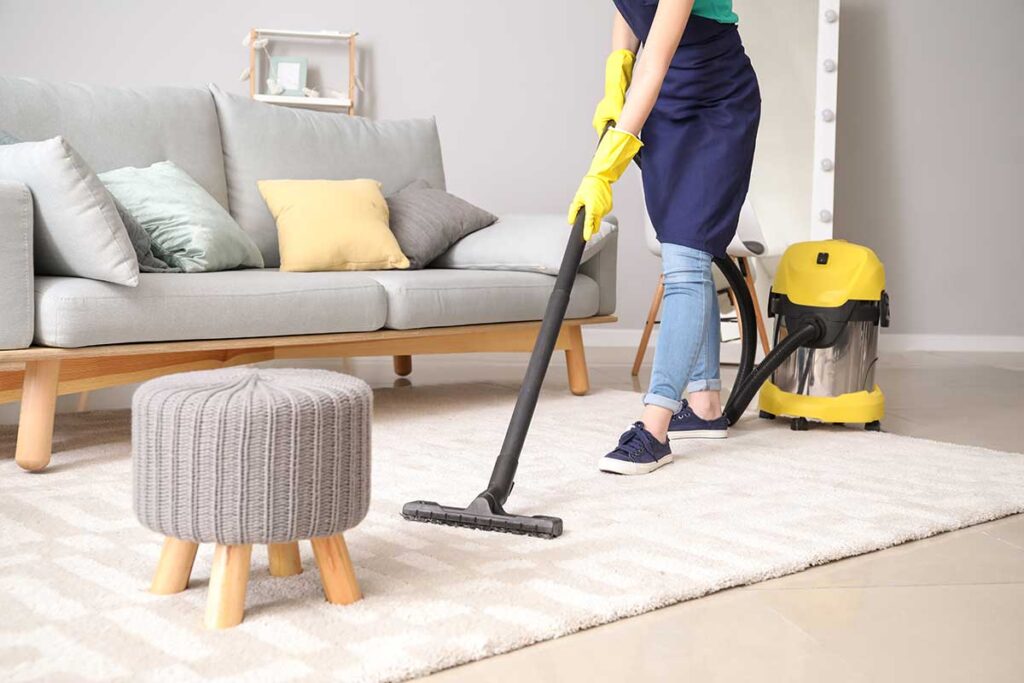
Professional-looking cleaning is less about expensive equipment and more about using an organized process. The most reliable approach is to remove clutter first, clean from high surfaces to low surfaces, work from dry tasks to wet tasks, and give extra attention to areas that collect dust, moisture, and germs.
Where should you start when cleaning a home?
Start by preparing the space rather than immediately spraying surfaces. Put away loose items, gather laundry, remove trash, and open interior doors or windows when weather and air quality allow. A clear work area makes it easier to see what actually needs cleaning.
Use a small cleaning caddy or bucket with the basic supplies needed for the rooms being cleaned:
- Microfiber cloths
- A vacuum with crevice and upholstery attachments
- A broom or dry floor mop
- A bucket and floor-cleaning tool
- A mild all-purpose cleaner
- A bathroom cleaner
- Dish soap
- Disposable gloves
- Clean sponges or scrub pads
Read product labels before use. Never mix bleach with ammonia, acids, vinegar, or other cleaning products because dangerous gases can form.
What is the correct order for cleaning a room?
The most efficient order is high to low, dry to wet, and clean to dirty. This prevents dust and debris from falling onto areas that have already been cleaned.
A practical sequence is:
1. Remove clutter and items that belong elsewhere.
2. Dust ceiling fans, light fixtures, vents, shelves, and the tops of furniture.
3. Clean mirrors, glass, countertops, and other surfaces.
4. Wipe frequently touched areas such as handles, switches, railings, and remote controls.
5. Vacuum upholstery, edges, corners, and floors.
6. Mop hard floors last.
Avoid using a damp cloth on dusty surfaces. Moisture can turn loose dust into a sticky film that is harder to remove. A dry microfiber cloth or vacuum attachment works better for the first pass.
How do professionals remove dust effectively?
Dusting works best when the cloth traps particles instead of moving them around. Fold a microfiber cloth into sections and turn to a clean section as it becomes soiled. Lightly dampen it for surfaces that need more than dry dust removal, but avoid soaking wood, painted surfaces, or electronics.
Pay attention to overlooked locations:
- Tops of door frames and cabinets
- Baseboards and trim
- Window sills and blinds
- Air-return grilles and vent covers
- Behind televisions and furniture
- Lampshades and decorative objects
- Edges where walls meet ceilings
Homes in Crown Point may collect additional dust and tracked-in debris during periods of winter heating, spring winds, summer humidity, and fall leaf activity. Entry areas deserve regular attention because grit carried indoors can scratch flooring and spread throughout the house.
What is the best way to clean a kitchen?
A kitchen should be cleaned in a sequence that prevents food residue from spreading. Begin by clearing counters and placing dishes in the sink or dishwasher. Wipe crumbs into the sink or trash before applying cleaner.
Clean upper cabinets, appliance exteriors, counters, and lower cabinets before addressing the floor. Use warm water and dish soap for many greasy surfaces. For stubborn buildup, allow the appropriate cleaner time to work instead of immediately scrubbing harder.
Important kitchen areas include:
- Cabinet handles and drawer pulls
- The area around the sink faucet
- Appliance control panels
- Refrigerator door edges and handles
- The backsplash behind cooking areas
- The underside of range hoods
- Trash-can lids and nearby flooring
Do not use abrasive pads or harsh chemicals on surfaces unless the manufacturer specifically allows them. Stone, finished wood, stainless steel, and laminate can each react differently to cleaners.
The sink also needs cleaning. Rinse away food particles, wash the basin and faucet, and dry the surrounding counter. A damp, continually dirty sponge can spread bacteria, so replace it regularly or sanitize it according to its material and care instructions.
How should bathrooms be cleaned?
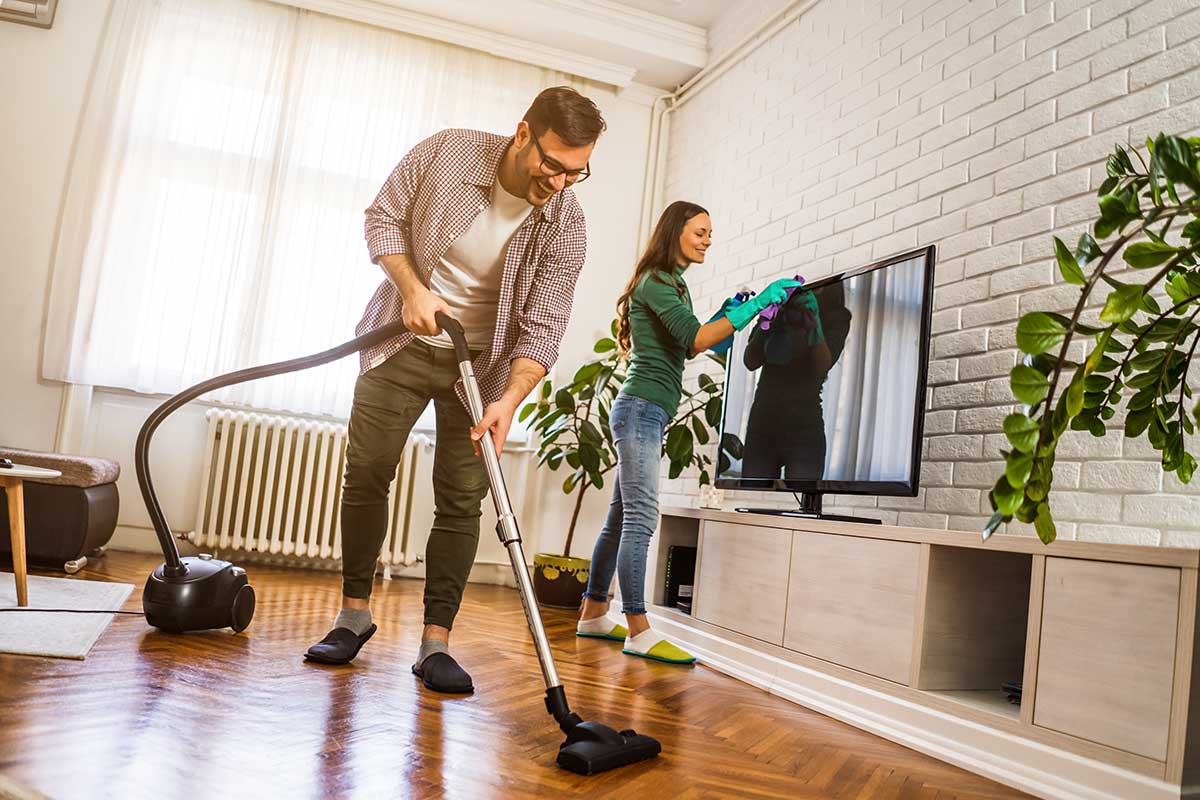
Bathrooms require both soil removal and moisture control. Remove personal items, ventilate the room, and clean from the least dirty areas toward the most contaminated ones.
A useful order is:
- Dust vents, light fixtures, and upper shelves.
- Clean mirrors and glass.
- Wipe cabinets, handles, and counters.
- Scrub the sink and faucet.
- Clean the tub or shower walls.
- Disinfect high-touch surfaces.
- Clean the toilet, including the handle, seat hinges, base, and surrounding floor.
- Vacuum or sweep before mopping.
Allow disinfectants to remain wet for the contact time listed on the label. Wiping them away immediately may reduce their effectiveness. Cleaning and disinfecting are not the same: cleaning removes dirt and many germs, while disinfecting uses a product designed to kill certain germs on a surface.
Drying matters as much as scrubbing. Use an exhaust fan during bathing and for a period afterward. Wipe excess water from shower walls when practical, and wash bath mats regularly. Persistent dampness, recurring mildew, or water damage may indicate a ventilation or plumbing problem rather than a simple cleaning issue.
How can floors be cleaned without damaging them?
Floor care depends on the material. Vacuuming or sweeping should come before mopping so grit does not act like sandpaper under a wet mop.
For hard floors, use only enough moisture to clean the surface. Excess water can damage wood seams, loosen flooring adhesives, or seep beneath materials. Do not assume a strong cleaner produces a better result; leftover residue can attract more dirt and make floors look dull.
Use floor-safe products for wood, vinyl, tile, laminate, and natural stone. Place mats near entrances, remove shoes when practical, and clean spills promptly. During snowy or icy weather, tracked-in salt and melting snow should be removed quickly because residue can dull finishes and damage some flooring.
Carpet requires regular vacuuming along walls, beneath furniture edges, and in high-traffic paths. Move furniture occasionally if it can be done safely, and treat spills by blotting rather than rubbing.
What areas are most often missed?
A home may look clean while overlooked surfaces continue collecting dust and grime. Commonly missed areas include ceiling fans, dishwasher edges, refrigerator seals, light switches, door handles, stair rails, and the tops of picture frames.
Soft items also need attention. Wash bedding according to its care label, vacuum upholstered furniture, launder washable curtains, and clean reusable mop heads after use. Replace or wash cleaning cloths between rooms, especially after cleaning bathrooms or areas where raw food is handled.
Do not use the same cloth for the toilet and kitchen counters. Color-coding cloths by room can help prevent cross-contamination.
How often should a home be cleaned?
Cleaning frequency depends on household size, pets, allergies, cooking habits, and foot traffic. A practical routine may look like this:
- Daily or as needed: dishes, spills, kitchen counters, and high-traffic debris
- Several times a week: bathroom fixtures, floors, and frequently touched surfaces
- Weekly: bedding, thorough vacuuming, dusting, toilets, showers, and kitchen appliances
- Monthly or seasonally: vents, baseboards, window treatments, cabinet fronts, and areas behind furniture
Homes with children, pets, allergy concerns, or indoor humidity problems may need more frequent attention. During seasonal transitions, inspect entryways, windows, basements, and utility areas for tracked-in moisture, dust buildup, or signs of mildew.
A professional result comes from consistency: prepare the room, use the right order, allow cleaners time to work, avoid cross-contamination, and stop before surfaces or materials become damaged by excessive water or scrubbing.