

 See My Latest Article on HelloNation
How often should a home be cleaned?
Most homes benefit from light cleaning several times a week, focused cleaning once a week, and deeper maintenance every few months. The right schedule depends on the number of people in the household, pets, allergies, cooking habits, flooring, and how much dirt enters the home.
A useful routine separates cleaning into three levels:
- Daily or near-daily tasks: Remove food residue, control clutter, and address damp areas.
- Weekly tasks: Clean bathrooms, floors, kitchen surfaces, and frequently touched areas.
- Monthly or seasonal tasks: Reach overlooked surfaces, inspect problem areas, and handle tasks that are easy to postpone.
A home does not need to be cleaned from top to bottom every day. Consistency matters more than trying to complete every task at once.
What should be cleaned every day?
Daily cleaning should focus on moisture, food particles, and high-touch surfaces. These areas can become unpleasant or unsanitary more quickly than low-use parts of the home.
Common daily tasks include:
- Wiping kitchen counters and the stovetop after food preparation
- Washing or loading dishes
- Sweeping visible crumbs from eating areas
- Cleaning spills before they dry
- Rinsing bathroom sinks when toothpaste, soap, or hair collects
- Emptying indoor trash when it contains food waste or strong odors
- Ventilating bathrooms after showers
- Returning loose items to their proper places
The kitchen usually deserves the most frequent attention because food residue can attract pests and support bacterial growth. A quick wipe after cooking is generally more effective than allowing several layers of grease to build up.
Bathroom moisture also deserves prompt attention. Allowing water to remain on fixtures, floors, or shower walls can contribute to mineral deposits, mildew, and musty odors. This is particularly useful during humid stretches and after repeated indoor drying of clothing.
Is weekly cleaning enough for most homes?
For many households, weekly cleaning provides a reasonable baseline. Weekly work should address surfaces and rooms that receive regular use but do not require daily attention.
A weekly routine may include:
- Vacuuming or mopping commonly used floors
- Cleaning toilets, tubs, showers, and bathroom floors
- Dusting furniture, shelves, ledges, and electronics carefully
- Changing bed linens
- Wiping cabinet handles, appliance handles, and light switches
- Cleaning mirrors and other glass surfaces
- Removing hair and debris from bathroom drains
- Washing kitchen towels and replacing damp sponges or cloths
- Checking entryways for tracked-in dirt and salt residue
The entryway often needs more attention during winter. Snow, road treatment materials, mud, and wet leaves can be carried indoors on footwear and pet paws. A washable mat inside the main entrance can reduce the amount of grit reaching floors, but it still needs regular cleaning.
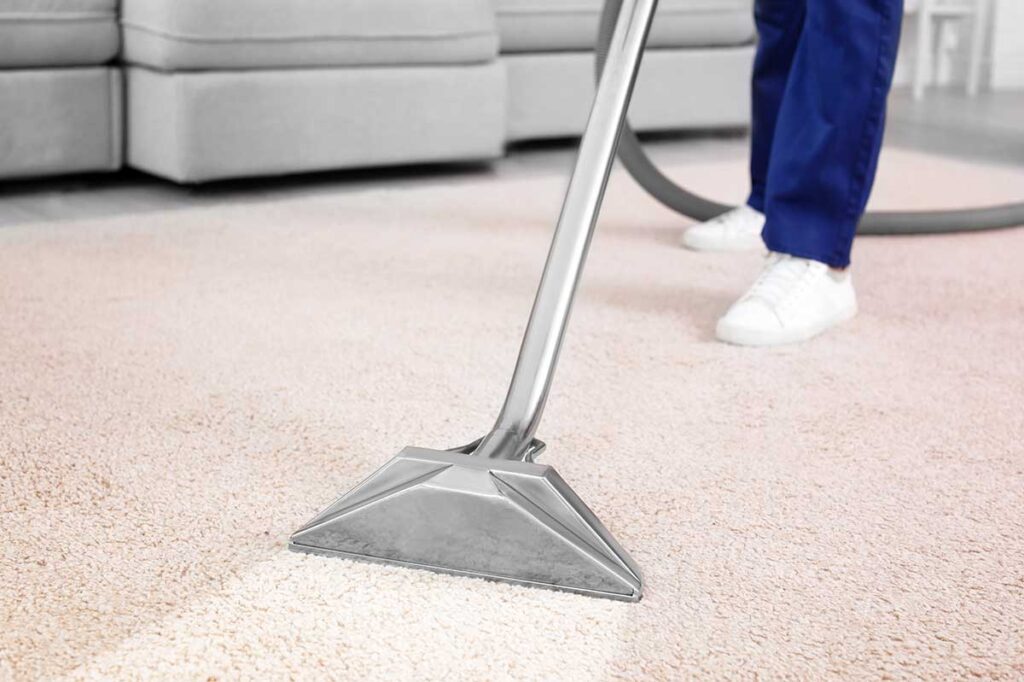
Homes with carpeting may require more frequent vacuuming in hallways, living rooms, and stairways. Hard flooring can also hold fine grit that scratches finishes over time, especially near entrances and beneath frequently used furniture.
How often should floors be cleaned?
High-traffic floors should usually be vacuumed or swept several times a week, while a thorough damp cleaning can often be done weekly. Homes with pets, young children, allergies, or muddy entryways may need more frequent floor care.
Use the floor material as a guide:
- Hardwood: Remove grit frequently and use only enough moisture to clean the surface without leaving it wet.
- Tile: Sweep or vacuum regularly, then mop as needed. Pay attention to grout lines in kitchens and bathrooms.
- Vinyl or laminate: Use a lightly damp method and avoid standing water.
- Carpet: Vacuum traffic lanes and pet areas more often than decorative or rarely used spaces.
- Area rugs: Shake, vacuum, or clean according to their construction and backing.
A common misconception is that a floor must look visibly dirty before it needs attention. Fine sand and grit may not be obvious, but they can wear down finishes when repeatedly walked across.
Which areas need cleaning more often?
High-touch and high-moisture areas generally require more frequent cleaning than bedrooms, formal rooms, or low-use storage spaces.
Prioritize:
- Faucet handles and toilet flush handles
- Door knobs and cabinet pulls
- Light switches
- Remote controls and shared electronic surfaces
- Kitchen counters and refrigerator handles
- Pet feeding areas
- Shower surfaces and bathroom floors
- Frequently used desks, tables, and chairs
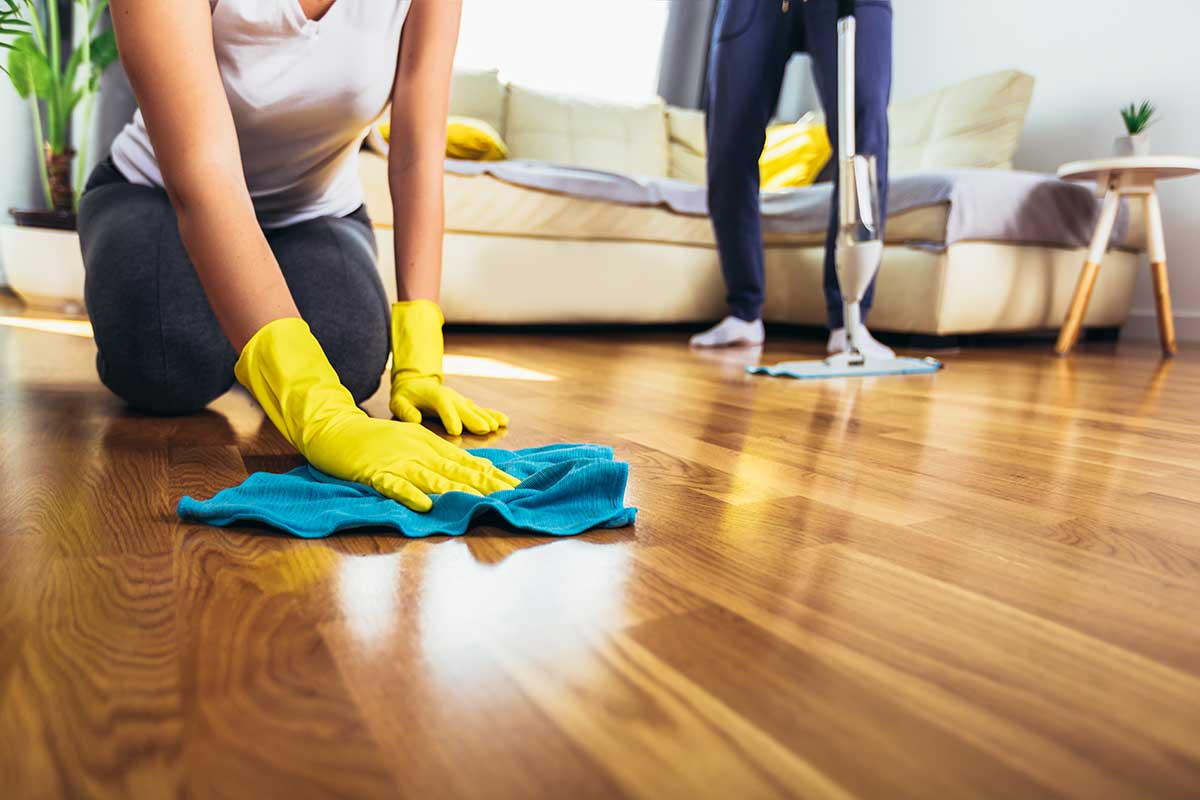
During illness in the household, clean high-touch surfaces more often and wash hands regularly. Routine cleaning removes much of the dirt and residue that accumulates on surfaces; disinfecting may be appropriate for specific situations, especially when someone is sick. Cleaning products should always be used according to their labels, and different chemicals should never be mixed.
How often should bedrooms and living areas be cleaned?
Bedrooms usually need weekly dusting and floor care, with bedding changed about once a week for many households. People who sweat heavily at night, have allergies, or share a bed with pets may prefer more frequent linen changes.
Living rooms may need light tidying daily and more complete cleaning once a week. Vacuum under cushions, along baseboards, and around furniture legs when practical. These areas collect skin flakes, pet hair, dust, and crumbs even when the room appears orderly.
Curtains, blinds, ceiling fans, and lampshades can generally be cleaned monthly or every few months, depending on dust levels. Homes with forced-air heating may notice more dust during the heating season, making vents, returns, and nearby surfaces worth checking regularly.
What should be cleaned monthly?
Monthly cleaning reaches surfaces that are easy to overlook but can affect odors, dust levels, and general upkeep.
Consider cleaning or checking:
- Refrigerator shelves and handles
- Microwave interiors
- Range hood filters, if washable
- Baseboards in high-traffic areas
- Ceiling fans and light fixtures
- Window sills and tracks
- Doors and trim around frequently used rooms
- Under beds and larger furniture
- Pet bedding and toy storage
- Washing machine seals and detergent compartments
- Dryer lint areas and the space around the appliance
Some tasks are better handled seasonally rather than monthly. Window screens, porch areas, storage rooms, and outdoor entry surfaces often need attention in spring and fall. Seasonal transitions are also a practical time to wash heavier blankets, rotate stored clothing, and inspect for moisture or pests.
How do local seasons affect a cleaning schedule?
Crown Point, IN households commonly deal with changing seasonal conditions that influence indoor cleaning. Winter can bring salt, slush, and grit into entryways. Spring may increase mud, pollen, and moisture near doors and windows. Summer often means more open windows, outdoor activity, and dust entering the home. Fall can bring leaves, damp footwear, and debris around entrances.
Adjust the routine instead of treating the calendar as fixed. Add floor care during wet or snowy periods, dust more often when windows are open, and monitor basement, laundry, and bathroom areas when humidity rises.
Homes with basements should also be checked periodically for musty odors, condensation, damp materials, or visible mold growth. Cleaning alone does not solve ongoing moisture problems. Persistent dampness may require identifying the source, improving ventilation, or addressing a building issue.
How can a household create a realistic schedule?
A workable schedule assigns small tasks to predictable days rather than postponing everything until it becomes overwhelming. For example:
- Daily: Kitchen reset, spill cleanup, dishes, and bathroom ventilation
- Twice weekly: Floors in busy areas and pet-related cleanup
- Weekly: Bathrooms, bedding, dusting, floors, and kitchen detailing
- Monthly: Appliances, baseboards, vents, window areas, and overlooked surfaces
- Seasonally: Closets, storage spaces, screens, heavier textiles, and moisture checks
The schedule should reflect actual household use. A one-person household may need less frequent cleaning than a busy family, while a smaller home with pets may require more frequent vacuuming than a larger home with little daily activity.
The most useful standard is not whether every surface is spotless. It is whether food areas are kept sanitary, moisture is controlled, floors are free of damaging grit, and frequently used spaces remain comfortable and safe.