

 See My Latest Article on HelloNation
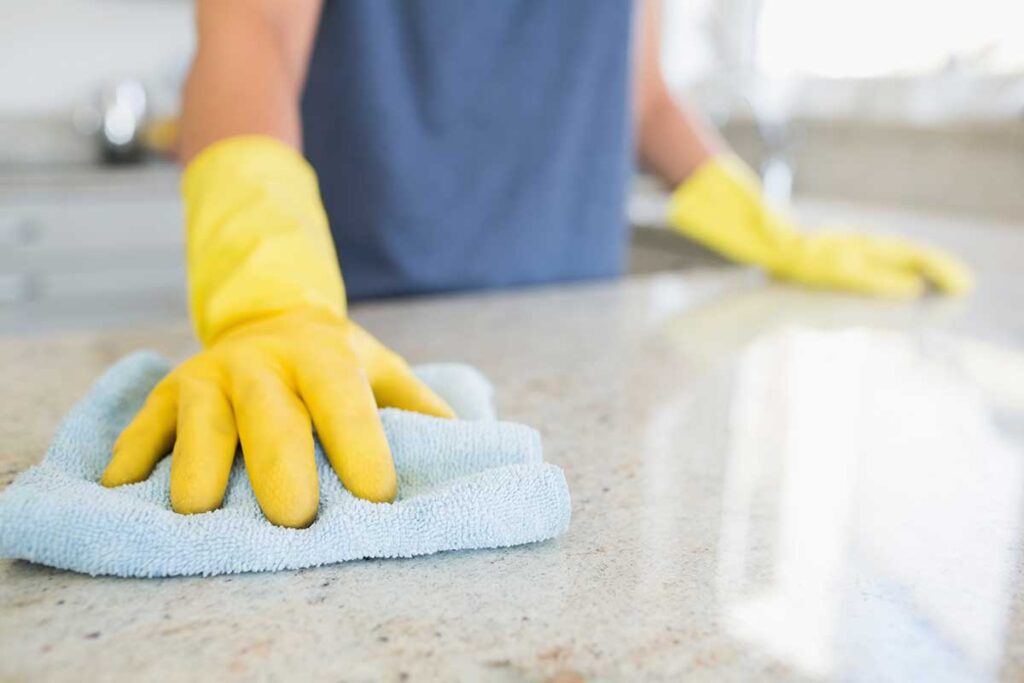
Cleaning a house in a random order often creates extra work. Dust falls onto surfaces that were already wiped, dirty water gets carried from room to room, and floors collect debris from areas that have not been finished.
For households in Crown Point, IN, an efficient routine is especially useful during wet springs, snowy winters, and dusty periods when tracked-in moisture and grit can spread quickly through entryways and living spaces. The most reliable approach is to clean from dry to wet, high to low, and cleaner areas to dirtier ones.
What is the most efficient order to clean a house?
The most efficient sequence is:
- Declutter first
- Gather supplies
- Work from upper levels and high surfaces downward
- Clean bedrooms and living areas before kitchens and bathrooms
- Finish with floors
- Remove trash and reset supplies at the end
This order prevents finished areas from becoming dirty again. It also reduces unnecessary movement between rooms, which saves time and makes it easier to notice missed tasks.
Should you declutter before cleaning?
Yes. Remove items that do not belong in each room before dusting, wiping, or vacuuming. Cleaning around piles of clothing, toys, mail, dishes, or household objects leaves more dust behind and makes every task slower.
Use a simple three-part approach:
- Put away items that belong in the room.
- Move misplaced items to a temporary basket or central sorting area.
- Set aside items for recycling, donation, laundry, or disposal.
Avoid turning decluttering into a full organizing project unless that is the specific goal. The purpose is to clear cleaning surfaces and floors, not to reorganize every cabinet.
What supplies should be gathered first?
Collect the basic supplies before starting so the routine does not become a series of interruptions. A practical set may include microfiber cloths, a vacuum, a broom or dust mop, a bucket, an all-purpose cleaner suitable for the surface, a bathroom cleaner, a degreasing cleaner for kitchen surfaces, sponges or scrub pads, trash bags, and gloves.
Keep separate cloths or tools for bathrooms and food-preparation areas. Never mix chlorine bleach with ammonia, acids, vinegar, or other cleaning chemicals. Open windows or improve ventilation when using products with strong fumes.
A small caddy can help with routine cleaning, while heavier equipment can remain in the room where it is used most often.
Which rooms should be cleaned first?
Start with bedrooms, then move to living areas, hallways, the kitchen, and bathrooms. This generally moves from lower-soil spaces to higher-soil spaces.
Bedrooms usually need light dusting, bed-making, surface cleaning, and floor care. Living rooms and hallways often collect more visible dust and foot traffic. Kitchens and bathrooms require more scrubbing, disinfecting, degreasing, and rinsing, so completing them later keeps dirtier tools and water from spreading into cleaner rooms.
If a household has a special condition—such as illness, pet accidents, or a heavily soiled area—adjust the order based on sanitation and safety rather than convenience.
Why should cleaning start high and move downward?
Dust and loose debris fall as surfaces are cleaned. Begin with ceiling fans, light fixtures, upper shelves, door frames, curtain rods, and the tops of furniture. Then move to tables, counters, lower shelves, baseboards, and finally the floor.
A useful pattern is:
1. High surfaces
2. Eye-level surfaces
3. Lower surfaces
4. Floors
Use a dry or slightly damp microfiber cloth for ordinary dust. Excess moisture can damage wood, swell unfinished edges, or leave streaks on some materials. Check care instructions for delicate finishes, natural stone, electronics, and painted surfaces.
How should bedrooms and living areas be cleaned?
In bedrooms, remove bedding if it needs washing, clear nightstands and dressers, dust from high surfaces down, and vacuum or sweep beneath accessible furniture. Making the bed near the end of the room-cleaning process gives the space a finished appearance without covering surfaces that still need attention.
In living rooms, straighten cushions, remove objects from tables, dust shelves and electronics carefully, and vacuum upholstery if appropriate. Pay attention to areas that collect fine debris:
- Beneath seating
- Along baseboards
- Around vents and radiators
- Behind doors
- Near entryways
- Under frequently used tables
During muddy or snowy weather, entry areas may need more frequent attention than other rooms. A mat, a place for wet footwear, and regular sweeping can reduce the amount of grit carried farther into the house.
What is the correct order for cleaning the kitchen?
The kitchen is usually easiest to clean after dishes and food items are removed. Start by loading or washing dishes, clearing counters, and discarding expired or spoiled food. Then allow any soaking cookware or stuck-on residue to loosen while other surfaces are cleaned.
A practical kitchen sequence is:
- Clean appliances and high surfaces first.
- Wipe cabinet fronts and handles.
- Clean counters and backsplashes.
- Scrub the sink and faucet.
- Wipe the outside of small appliances.
- Sweep or vacuum the floor.
- Mop after loose debris is removed.
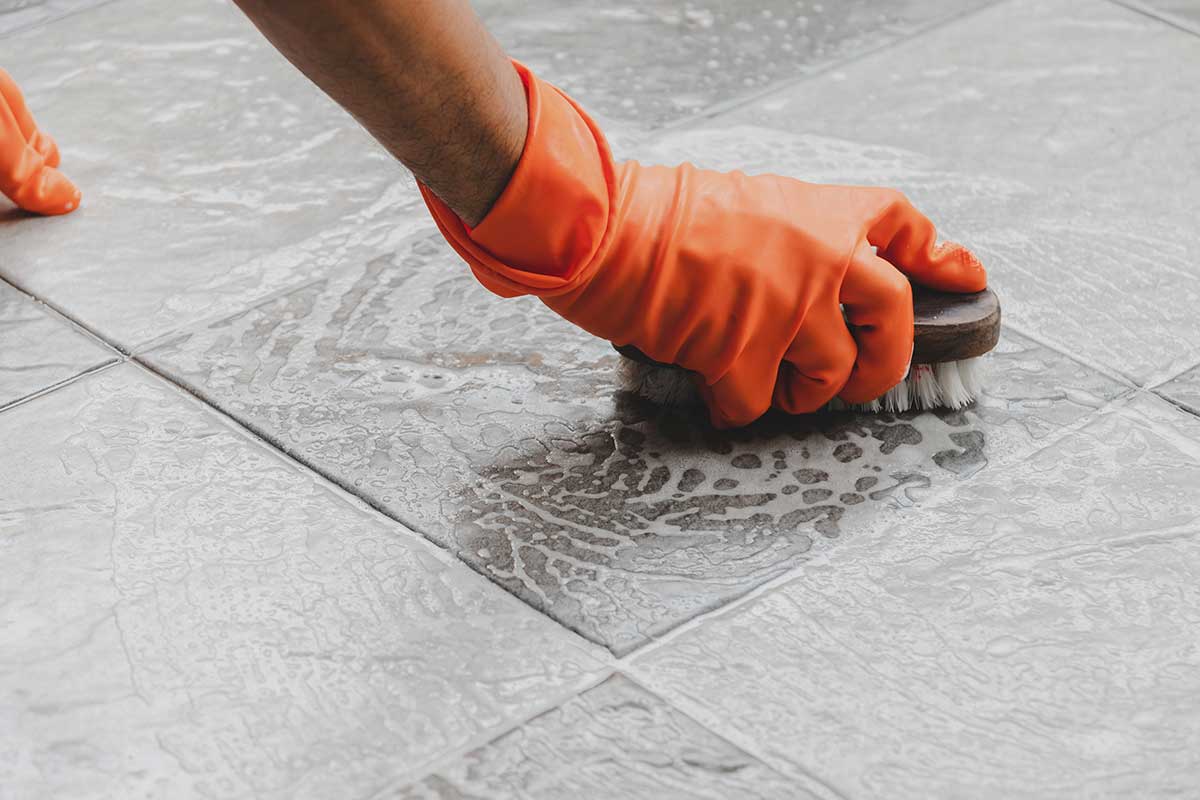
Do not apply the same cleaner to every kitchen surface. Stone, sealed wood, painted cabinetry, stainless steel, and finished flooring may require different methods. Food-contact surfaces should be cleaned according to the product label and rinsed when required.
How should bathrooms be cleaned efficiently?
Bathrooms benefit from working from dry tasks to wet tasks. Remove towels and loose items, empty the trash, dust vents and light fixtures, and clean mirrors before using water or sprays heavily.
Next, apply appropriate cleaner to the toilet, tub, shower, sink, and fixtures. Let products sit for the label’s recommended dwell time when applicable rather than immediately wiping them away. This gives the cleaner time to loosen soap residue, mineral deposits, and grime.
Finish by:
- Wiping counters and cabinet handles
- Scrubbing the sink and shower surfaces
- Cleaning the toilet exterior and floor area
- Replacing towels and supplies
- Sweeping or vacuuming
- Mopping the floor
Use separate bathroom cloths from those used in kitchens. Keep chemical products away from children and pets, and never combine cleaning agents.
Should floors be cleaned last?
Yes. Floors should usually be the final major cleaning task because dust, crumbs, and hair fall during surface cleaning. Vacuum or sweep before mopping. Starting with a dry method prevents loose debris from becoming wet, sticky residue.
Clean floors in a pattern that avoids stepping on areas that are still wet. Begin at the farthest point from the exit and work toward the doorway. Use only enough moisture for the flooring material. Excess water can damage wood, seep into seams, loosen flooring materials, or create slip hazards.
High-traffic areas may need more frequent sweeping than full mopping. In winter, salt and deicing residue should be removed promptly because it can leave a gritty film and affect some floor finishes.
How often should this cleaning order be used?
A full-house routine may be weekly, biweekly, or adjusted to household needs. Daily maintenance can be limited to dishes, clutter, spills, bathroom touch-ups, and entryway debris.
A practical schedule may include:
- Daily: dishes, spills, trash, and visible debris
- Several times weekly: kitchen surfaces, bathroom fixtures, and high-traffic floors
- Weekly: dusting, vacuuming, mopping, and bedding changes
- Monthly or seasonally: baseboards, vents, light fixtures, windows, and areas beneath furniture
The most efficient routine is not necessarily the one that cleans every part of the house every day. It is the one that follows a consistent order, matches the home’s actual traffic patterns, and prevents small messes from becoming harder to remove.